
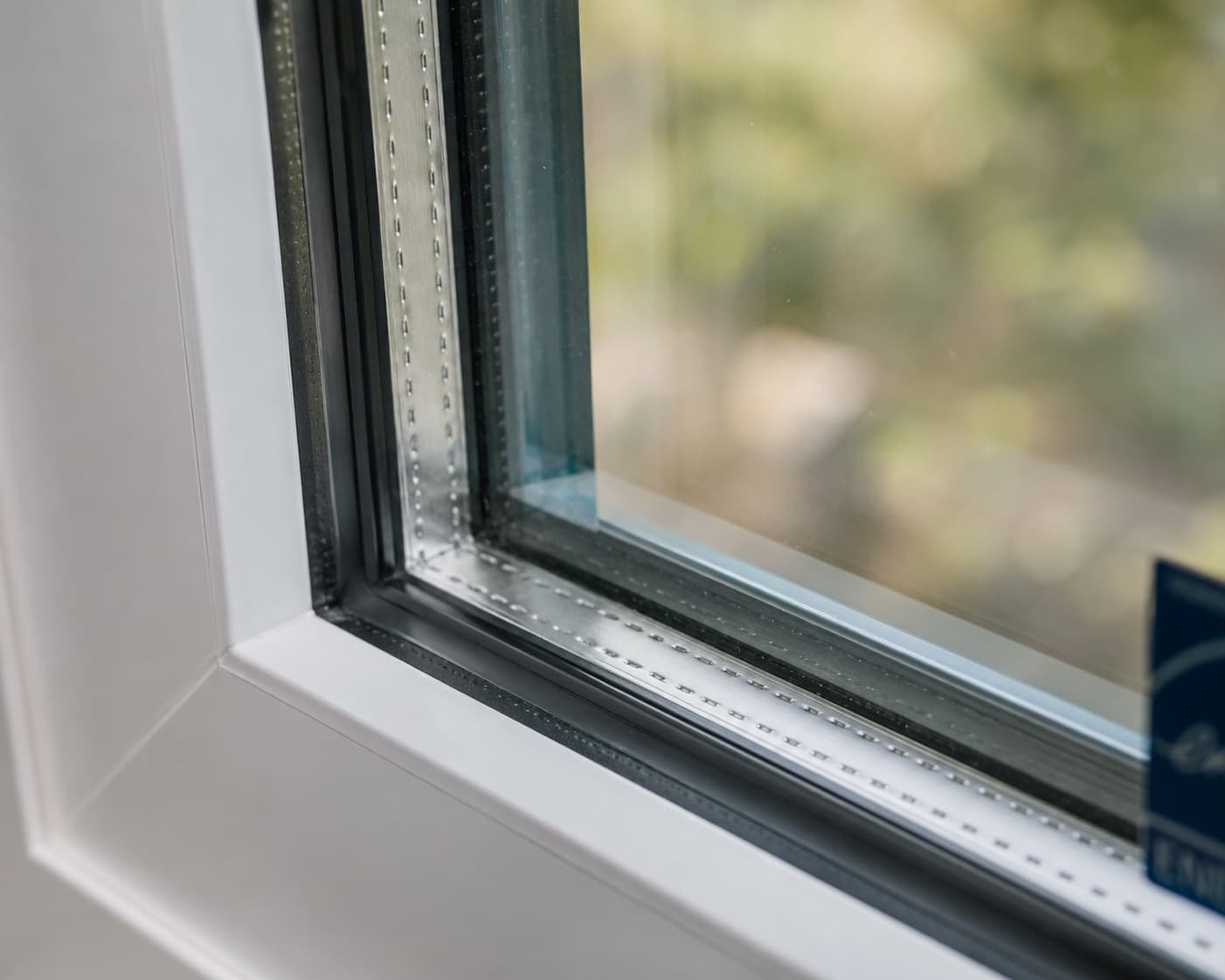
Window replacement with energy efficient windows is one of the most frequently discussed home improvement investments in Georgia — and one of the most frequently misunderstood. The marketing language around energy efficient windows is optimistic, the payback claims vary widely, and Augusta homeowners are right to ask whether the investment actually delivers in Georgia’s specific climate. Here is an honest assessment.
What Makes a Window Energy Efficient
Energy efficient is not a single specification — it is a range of performance levels achieved through a combination of glazing technologies. The components that actually drive energy performance in a residential window are:
- Low-E coating: A microscopically thin metallic layer applied to the inner glass surface that reflects infrared radiation. In summer, it reflects solar heat before it enters the home. In winter, it reflects interior radiated heat back into the room. Low-E coating is the single most impactful upgrade available in residential window glazing.
- Gas fill: Argon or krypton gas between the panes conducts heat more slowly than air, reducing the U-factor — the rate of heat transfer through the glazing unit. Argon is standard; krypton performs better but costs more and is used primarily in triple pane configurations where the gap between panes is narrower.
- Warm-edge spacers: The spacer that separates the panes at the glass edge matters. Aluminium spacers conduct heat aggressively at the edge, creating a cold strip that promotes condensation and increases edge-of-glass heat loss. Warm-edge spacers — stainless steel or structural foam — reduce this significantly.
- Frame material: Vinyl and fibreglass composite frames conduct heat far less than aluminium frames. For Georgia homeowners replacing original aluminium-framed windows, the frame upgrade alone delivers a meaningful improvement in thermal performance independent of the glass package.
The ENERGY STAR Standard for Georgia
ENERGY STAR certifies windows against climate-zone-specific performance thresholds. Georgia falls within the Southern climate zone, which has the following requirements:
- U-factor: 0.40 or lower — the rate of heat transfer through the window
- Solar Heat Gain Coefficient (SHGC): 0.25 or lower — the fraction of solar radiation that enters the home through the glass
A standard clear double-pane window without Low-E coating has a U-factor of approximately 0.48 and an SHGC of 0.70 — failing both thresholds. A Low-E double-pane window with argon fill typically achieves a U-factor of 0.27–0.30 and an SHGC of 0.20–0.25 — meeting both thresholds comfortably. The difference in real-world performance between these two specifications in Augusta’s climate is significant and measurable.
Are They Worth It in Georgia’s Climate
Georgia’s climate makes energy efficient windows a sound investment for most homeowners — but the case is built primarily on cooling season performance rather than heating season performance, which is the reverse of how the argument is typically made in northern states.
Augusta’s cooling season runs from May through October — six months per year where the air conditioning is running and solar heat gain through windows is a direct driver of electricity consumption. A west-facing room with clear double-pane glass absorbs solar radiation freely on a July afternoon, raising the room temperature above the thermostat set point and forcing the air conditioning to compensate continuously. Low-E glass with an SHGC of 0.22 reduces that solar heat gain by approximately 70% compared to clear glass — a reduction that is felt immediately in room comfort and shows in the utility bill within the first full cooling season.
The heating season argument in Augusta is real but less dramatic. Augusta’s winters are mild enough that heating costs are a secondary driver of annual utility expense compared to cooling. The incremental heating season savings from Low-E double pane versus clear double pane are genuine but modest — typically $80–$150 per year for a standard Augusta home — and are not the primary financial justification for the upgrade.
Realistic Payback Periods for Augusta Homeowners
Payback period calculations for window replacement depend heavily on what you are replacing. The math looks very different depending on the starting point:
- Replacing single pane windows: The energy cost gap between single pane and ENERGY STAR rated double pane is large. Augusta homeowners replacing original single pane windows with Low-E double pane with argon fill typically see payback periods of four to seven years — one of the strongest payback cases available in residential energy efficiency investment.
- Replacing clear double pane (intact seals): The performance gap is smaller. Payback periods for upgrading from functional clear double pane to Low-E double pane run eight to twelve years in Augusta’s climate — still positive but requiring a longer planning horizon to justify on energy savings alone.
- Replacing failed double pane: Failed double-pane windows — fogged units with broken seals — are performing at roughly single-pane thermal resistance. Replacing them with Low-E double pane delivers the same large performance gap as replacing single pane, with payback periods in the four to seven year range.
Federal Tax Credits for Energy Efficient Windows in Georgia
The federal Residential Energy Efficient Property Credit — part of the Inflation Reduction Act — currently allows homeowners to claim 30% of the cost of ENERGY STAR certified windows, up to a $600 annual cap specifically for windows. For an Augusta homeowner spending $6,000 on a whole-home window replacement with ENERGY STAR certified units, the federal credit reduces the net cost by $600 — not a transformative reduction but a meaningful one.
Georgia does not currently offer a state-level tax credit specifically for residential window replacement. We recommend Augusta homeowners confirm current federal credit eligibility and applicable limits with a tax professional before filing, as credit terms and caps can change year to year.
What the Numbers Look Like for a Typical Augusta Home
A representative Augusta home — three bedrooms, built in the 1980s, ten windows, currently fitted with original clear double-pane units with failed seals on four of them — might look like this:
- Investment: $5,500–$8,000 for full replacement with Low-E double pane argon fill, installed
- Federal tax credit: $600 reduction in net cost
- Annual energy savings: $250–$450 depending on orientation, utility rates, and thermostat habits
- Payback period: Six to ten years on energy savings alone
- Comfort improvement: Immediate and significant — particularly in west-facing rooms in summer
- Resale value contribution: ENERGY STAR certified windows are a documented, verifiable improvement that appears in appraisals and attracts buyers comparing similar Augusta properties
The Honest Answer
Energy efficient windows are worth it for most Augusta homeowners — but the primary return is comfort and cooling cost reduction, not a dramatic short-term financial payback. The homeowners for whom the investment makes the clearest sense are those replacing single pane or failed double-pane units, those with significant west or south-facing glass exposure, and those planning to remain in the home for ten or more years.
For Augusta homeowners upgrading functional clear double-pane windows primarily for energy savings, the financial case is positive but requires a longer planning horizon. The comfort improvement, the noise reduction, and the resale value contribution are real secondary benefits that improve the overall case beyond the energy savings calculation alone.
The National Fenestration Rating Council independently certifies the U-factor and SHGC of every window sold in the United States — we provide these certified ratings with every estimate so Augusta homeowners can compare options on an objective basis rather than relying on manufacturer marketing claims.
Augusta Window Pros installs energy efficient window replacement across Augusta, Evans, Martinez, Grovetown, Aiken SC, North Augusta SC, and Waynesboro. Call us or request a free estimate online.