
Window replacement decisions in Augusta come down to one question more than any other: how many panes of glass do I need? Single pane, double pane, and triple pane windows are not just marketing tiers — they represent meaningfully different thermal performance levels with different price points and different payback periods in Augusta’s climate. Here is what Augusta homeowners need to know to make the right choice.
Single Pane Windows — What They Are and Why They Fall Short
A single pane window is exactly what it sounds like — one layer of glass, nothing between it and the exterior air except that single sheet. Single pane windows were standard in American homes built through the 1970s and remain common in Augusta’s older housing stock, particularly in the pre-war downtown properties and the mid-century ranches that fill Martinez, the older parts of North Augusta, and Waynesboro.
The thermal performance of single pane glass is poor by any modern standard. A single pane window has a U-factor of approximately 1.0 — meaning it loses heat (or gains solar heat in summer) at roughly ten times the rate of a well-insulated wall. In Augusta’s climate, where the air conditioning runs from May through October and utility bills climb predictably every summer, single pane windows are a significant and ongoing cost.
Single pane glass also provides essentially no sound attenuation, no condensation resistance on cold mornings, and no protection against ultraviolet fading of interior furnishings. For Augusta homeowners still living with original single pane windows, the case for replacement is straightforward — the performance gap between single pane and modern double pane is large enough that the upgrade pays for itself in energy savings within a predictable timeframe.
Double Pane Windows — The Standard for Good Reason
Double pane windows — two layers of glass with a sealed gap between them — have been the residential standard since the 1980s and remain the most common window replacement choice for Augusta homeowners. The sealed gap between the panes provides meaningful thermal resistance compared to single pane glass, and when that gap is filled with argon gas and the inner pane is coated with a Low-E layer, double pane windows perform well within ENERGY STAR requirements for Augusta’s Southern climate zone.
A standard double pane window without Low-E coating has a U-factor of approximately 0.48 — roughly half the heat loss of single pane glass, a meaningful improvement but not sufficient to meet ENERGY STAR’s Southern zone requirement of 0.40 or lower. Adding a Low-E coating to the inner pane surface drops the U-factor to 0.30 or below and adds solar heat gain control — the ability to reflect infrared radiation before it enters the home in summer while retaining radiated heat inside in winter.
For the majority of Augusta homeowners replacing windows in standard residential construction, Low-E double pane with argon fill is the right answer. It meets ENERGY STAR Southern zone requirements, qualifies for the federal energy efficiency tax credit, delivers a measurable improvement in comfort and utility costs, and carries a price point that allows a reasonable payback period of five to eight years in Augusta’s climate.
The Variants Within Double Pane — What Actually Matters
Not all double pane windows perform equally, and the differences matter in Augusta’s climate:
- Clear double pane (no Low-E): Reduces conductive heat loss compared to single pane but does nothing to control solar heat gain. Not recommended for Augusta homes with significant south or west-facing glass exposure — the summer solar gain penalty is real and measurable.
- Low-E double pane with air fill: Better than clear double pane but the air fill provides less thermal resistance than argon. The marginal cost difference between air fill and argon fill is small — always specify argon.
- Low-E double pane with argon fill: The standard recommendation for Augusta homes. Meets ENERGY STAR Southern zone requirements, controls both conductive loss and solar gain, available in every window style we install.
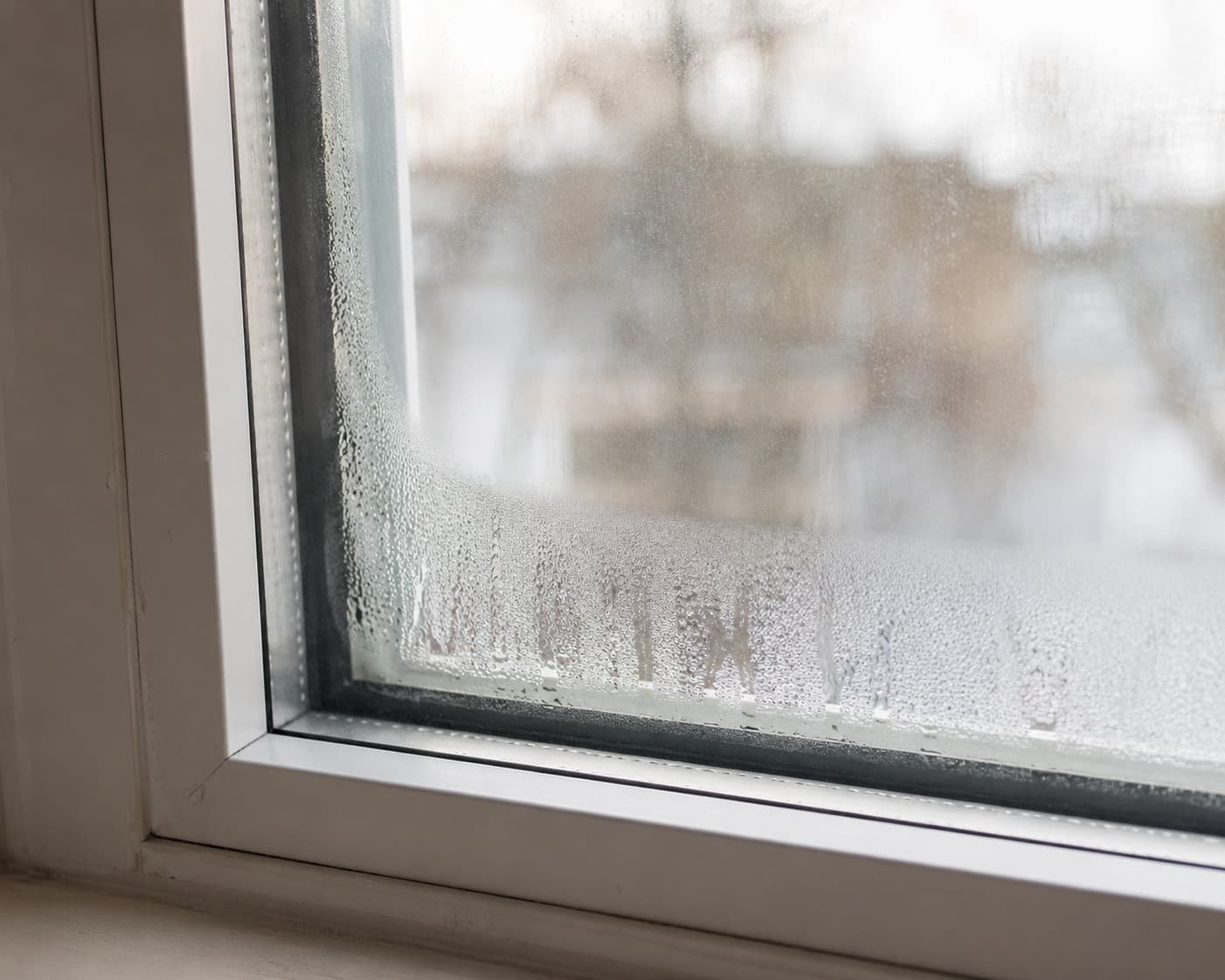
- Warm-edge spacers: The spacer that separates the two panes at the glass edge matters. Aluminium spacers conduct heat at the glass edge, creating a cold strip that promotes condensation. Warm-edge spacers — stainless steel or structural foam — reduce edge-of-glass heat loss and eliminate the condensation that aluminium spacers cause on cold Augusta mornings.
Triple Pane Windows — When They Make Sense in Augusta
Triple pane windows add a third layer of glass and a second argon-filled gap, reducing the U-factor to 0.20 or below — roughly half the heat loss of a quality double pane unit. The additional thermal mass also provides meaningful sound attenuation, which single and double pane windows do not match.
The honest assessment for Augusta’s climate is that triple pane windows are not necessary for most homes. Augusta’s winters are mild enough that the incremental heating cost reduction from triple versus double pane does not justify the price premium in most residential applications. The payback period for the upgrade from Low-E double pane to triple pane in Augusta is typically 15–20 years — longer than most homeowners’ planning horizon for a window investment.
Where triple pane does make sense in Augusta:
- Significant west-facing exposure: Homes with large west-facing glass areas that are chronically difficult to keep comfortable in summer benefit from the additional solar heat gain control that triple pane provides.
- Noise reduction priority: Augusta homeowners near busy roads, Augusta Regional Airport flight paths, or commercial areas where exterior noise is a genuine quality-of-life issue will notice a significant improvement with triple pane.
- All-electric homes with high utility rates: Where the cooling and heating cost baseline is high, the incremental savings from triple pane close the payback gap.
What the NFRC Label Tells You
Every window sold in the United States carries an NFRC label — the independently certified performance ratings from the National Fenestration Rating Council. The two numbers that matter most for Augusta homeowners are:
- U-factor: The rate of heat transfer through the window. Lower is better. ENERGY STAR Southern zone requires 0.40 or lower. Quality Low-E double pane with argon hits 0.27–0.30. Triple pane hits 0.15–0.20.
- Solar Heat Gain Coefficient (SHGC): The fraction of solar radiation that enters the home through the glass. Lower is better for Augusta’s cooling-dominated climate. ENERGY STAR Southern zone requires 0.25 or lower.
When Augusta Window Pros quotes a window replacement job, we provide the NFRC ratings for every unit we recommend. You should be able to see these numbers before you commit — any contractor who cannot provide them is not giving you the information you need to make a sound decision.
The Right Choice for Most Augusta Homeowners
For the majority of Augusta window replacement projects — homes with standard residential construction, mixed orientation, and a planning horizon of ten or more years — Low-E double pane with argon fill and warm-edge spacers is the correct specification. It meets ENERGY STAR requirements, qualifies for federal tax credits, delivers immediate comfort improvement, and carries a payback period that makes financial sense in Augusta’s climate.
Augusta Window Pros installs window replacement across Augusta, Evans, Martinez, Grovetown, Aiken SC, North Augusta SC, and Waynesboro. Every estimate includes the NFRC ratings for the windows we recommend so you can compare options on an objective basis. Call us or request a free estimate online.